Ragdoll Cat Breed Profile
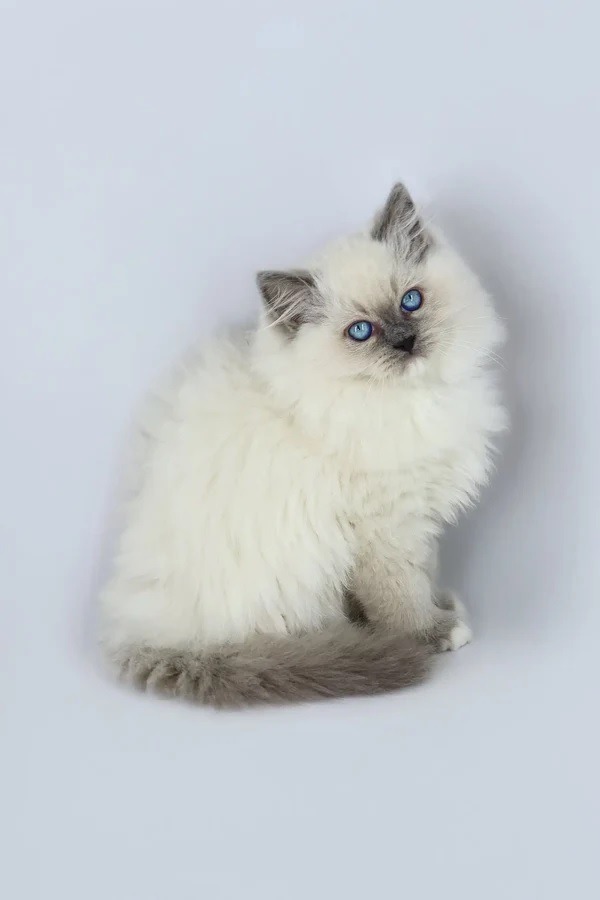
All About Ragdoll Cats & Why They Stand Out
The Ragdoll is a unique breed with its own personality traits, physical structure, and care requirements.
Understanding this breed is essential before ownership, as each breed demands a different level of attention, grooming, and environmental adaptation.
Breed History and Origin
The Ragdoll has a history shaped by selective breeding and natural development.
Breeders focused on enhancing temperament, physical appearance, and adaptability to human environments.
This history influences how the breed behaves today.
Key Characteristics and Personality
Each Ragdoll has a distinct personality ranging from calm and affectionate to highly energetic and intelligent.
Some breeds form strong emotional bonds with humans, while others maintain a more independent nature.
Physical Structure and Appearance
This breed has defining physical traits such as coat type, body size, and facial structure.
Some breeds are muscular and active, while others are compact and calm.
Grooming and Hygiene Requirements
Grooming needs vary significantly depending on coat type.
Long-haired breeds require regular brushing to prevent matting, while short-haired breeds require minimal maintenance.
Proper hygiene also includes ear cleaning, nail trimming, and dental care.
Behaviour, Training, and Social Adaptation
Cats can be trained using positive reinforcement techniques.
Routine, consistency, and environment play a major role in shaping behavior.
Early socialization improves confidence and reduces fear-based reactions.
Play, Activity, and Mental Stimulation
All cats require mental stimulation to prevent boredom.
Interactive toys, climbing structures, and short play sessions help maintain both physical and mental health.
Nutritional Needs
Cats are obligate carnivores and require a protein-rich diet.
Balanced nutrition supports coat health, muscle development, and immune system strength.
Suitability for Families and Living Environments
Different breeds suit different lifestyles.
Some thrive in quiet indoor homes, while others require space and activity.
Understanding this ensures a successful long-term relationship between the cat and owner.
Important Ownership Considerations
Owning a Ragdoll involves long-term responsibility including healthcare, feeding, grooming, and emotional care.
Proper preparation ensures the cat’s well-being and prevents abandonment or rehoming.
Persian Cat Breed Profile

All About Persian Cats & Why They Stand Out
The Persian is a unique breed with its own personality traits, physical structure, and care requirements.
Understanding this breed is essential before ownership, as each breed demands a different level of attention, grooming, and environmental adaptation.
Breed History and Origin
The Persian has a history shaped by selective breeding and natural development.
Breeders focused on enhancing temperament, physical appearance, and adaptability to human environments.
This history influences how the breed behaves today.
Key Characteristics and Personality
Each Persian has a distinct personality ranging from calm and affectionate to highly energetic and intelligent.
Some breeds form strong emotional bonds with humans, while others maintain a more independent nature.
Physical Structure and Appearance
This breed has defining physical traits such as coat type, body size, and facial structure.
Some breeds are muscular and active, while others are compact and calm.
Grooming and Hygiene Requirements
Grooming needs vary significantly depending on coat type.
Long-haired breeds require regular brushing to prevent matting, while short-haired breeds require minimal maintenance.
Proper hygiene also includes ear cleaning, nail trimming, and dental care.
Behaviour, Training, and Social Adaptation
Cats can be trained using positive reinforcement techniques.
Routine, consistency, and environment play a major role in shaping behavior.
Early socialization improves confidence and reduces fear-based reactions.
Play, Activity, and Mental Stimulation
All cats require mental stimulation to prevent boredom.
Interactive toys, climbing structures, and short play sessions help maintain both physical and mental health.
Nutritional Needs
Cats are obligate carnivores and require a protein-rich diet.
Balanced nutrition supports coat health, muscle development, and immune system strength.
Suitability for Families and Living Environments
Different breeds suit different lifestyles.
Some thrive in quiet indoor homes, while others require space and activity.
Understanding this ensures a successful long-term relationship between the cat and owner.
Important Ownership Considerations
Owning a Persian involves long-term responsibility including healthcare, feeding, grooming, and emotional care.
Proper preparation ensures the cat’s well-being and prevents abandonment or rehoming.
Maine Coon Cat Breed Profile
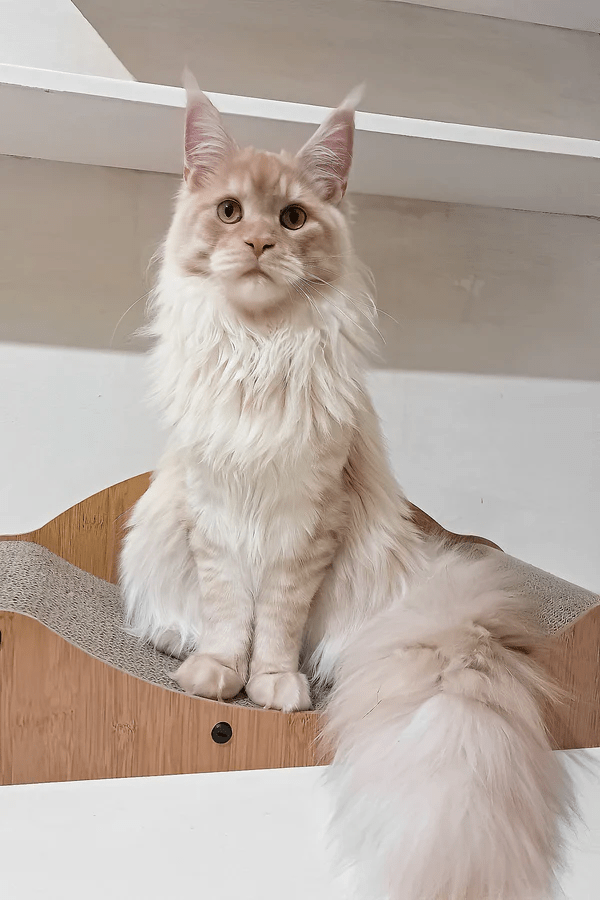
All About Maine Coon Cats & Why They Stand Out
The Maine Coon is a unique breed with its own personality traits, physical structure, and care requirements.
Understanding this breed is essential before ownership, as each breed demands a different level of attention, grooming, and environmental adaptation.
Breed History and Origin
The Maine Coon has a history shaped by selective breeding and natural development.
Breeders focused on enhancing temperament, physical appearance, and adaptability to human environments.
This history influences how the breed behaves today.
Key Characteristics and Personality
Each Maine Coon has a distinct personality ranging from calm and affectionate to highly energetic and intelligent.
Some breeds form strong emotional bonds with humans, while others maintain a more independent nature.
Physical Structure and Appearance
This breed has defining physical traits such as coat type, body size, and facial structure.
Some breeds are muscular and active, while others are compact and calm.
Grooming and Hygiene Requirements
Grooming needs vary significantly depending on coat type.
Long-haired breeds require regular brushing to prevent matting, while short-haired breeds require minimal maintenance.
Proper hygiene also includes ear cleaning, nail trimming, and dental care.
Behaviour, Training, and Social Adaptation
Cats can be trained using positive reinforcement techniques.
Routine, consistency, and environment play a major role in shaping behavior.
Early socialization improves confidence and reduces fear-based reactions.
Play, Activity, and Mental Stimulation
All cats require mental stimulation to prevent boredom.
Interactive toys, climbing structures, and short play sessions help maintain both physical and mental health.
Nutritional Needs
Cats are obligate carnivores and require a protein-rich diet.
Balanced nutrition supports coat health, muscle development, and immune system strength.
Suitability for Families and Living Environments
Different breeds suit different lifestyles.
Some thrive in quiet indoor homes, while others require space and activity.
Understanding this ensures a successful long-term relationship between the cat and owner.
Important Ownership Considerations
Owning a Maine Coon involves long-term responsibility including healthcare, feeding, grooming, and emotional care.
Proper preparation ensures the cat’s well-being and prevents abandonment or rehoming.
Birman Cat Breed Profile

All About Birman Cats & Why They Stand Out
The Birman is a unique breed with its own personality traits, physical structure, and care requirements.
Understanding this breed is essential before ownership, as each breed demands a different level of attention, grooming, and environmental adaptation.
Breed History and Origin
The Birman has a history shaped by selective breeding and natural development.
Breeders focused on enhancing temperament, physical appearance, and adaptability to human environments.
This history influences how the breed behaves today.
Key Characteristics and Personality
Each Birman has a distinct personality ranging from calm and affectionate to highly energetic and intelligent.
Some breeds form strong emotional bonds with humans, while others maintain a more independent nature.
Physical Structure and Appearance
This breed has defining physical traits such as coat type, body size, and facial structure.
Some breeds are muscular and active, while others are compact and calm.
Grooming and Hygiene Requirements
Grooming needs vary significantly depending on coat type.
Long-haired breeds require regular brushing to prevent matting, while short-haired breeds require minimal maintenance.
Proper hygiene also includes ear cleaning, nail trimming, and dental care.
Behaviour, Training, and Social Adaptation
Cats can be trained using positive reinforcement techniques.
Routine, consistency, and environment play a major role in shaping behavior.
Early socialization improves confidence and reduces fear-based reactions.
Play, Activity, and Mental Stimulation
All cats require mental stimulation to prevent boredom.
Interactive toys, climbing structures, and short play sessions help maintain both physical and mental health.
Nutritional Needs
Cats are obligate carnivores and require a protein-rich diet.
Balanced nutrition supports coat health, muscle development, and immune system strength.
Suitability for Families and Living Environments
Different breeds suit different lifestyles.
Some thrive in quiet indoor homes, while others require space and activity.
Understanding this ensures a successful long-term relationship between the cat and owner.
Important Ownership Considerations
Owning a Birman involves long-term responsibility including healthcare, feeding, grooming, and emotional care.
Proper preparation ensures the cat’s well-being and prevents abandonment or rehoming.
Sphynx Cat Breed Profile
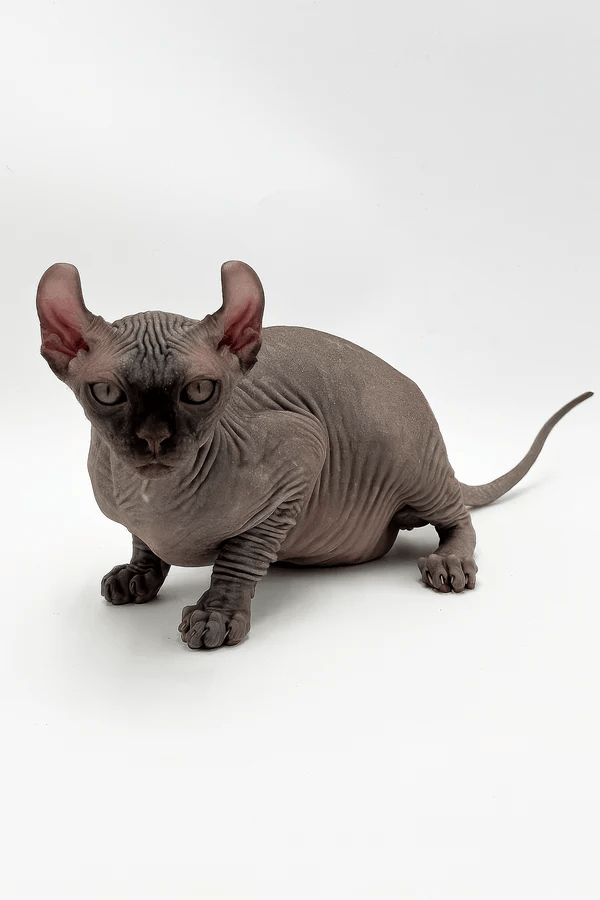
All About Sphynx Cats & Why They Stand Out
The Sphynx is a unique breed with its own personality traits, physical structure, and care requirements.
Understanding this breed is essential before ownership, as each breed demands a different level of attention, grooming, and environmental adaptation.
Breed History and Origin
The Sphynx has a history shaped by selective breeding and natural development.
Breeders focused on enhancing temperament, physical appearance, and adaptability to human environments.
This history influences how the breed behaves today.
Key Characteristics and Personality
Each Sphynx has a distinct personality ranging from calm and affectionate to highly energetic and intelligent.
Some breeds form strong emotional bonds with humans, while others maintain a more independent nature.
Physical Structure and Appearance
This breed has defining physical traits such as coat type, body size, and facial structure.
Some breeds are muscular and active, while others are compact and calm.
Grooming and Hygiene Requirements
Grooming needs vary significantly depending on coat type.
Long-haired breeds require regular brushing to prevent matting, while short-haired breeds require minimal maintenance.
Proper hygiene also includes ear cleaning, nail trimming, and dental care.
Behaviour, Training, and Social Adaptation
Cats can be trained using positive reinforcement techniques.
Routine, consistency, and environment play a major role in shaping behavior.
Early socialization improves confidence and reduces fear-based reactions.
Play, Activity, and Mental Stimulation
All cats require mental stimulation to prevent boredom.
Interactive toys, climbing structures, and short play sessions help maintain both physical and mental health.
Nutritional Needs
Cats are obligate carnivores and require a protein-rich diet.
Balanced nutrition supports coat health, muscle development, and immune system strength.
Suitability for Families and Living Environments
Different breeds suit different lifestyles.
Some thrive in quiet indoor homes, while others require space and activity.
Understanding this ensures a successful long-term relationship between the cat and owner.
Important Ownership Considerations
Owning a Sphynx involves long-term responsibility including healthcare, feeding, grooming, and emotional care.
Proper preparation ensures the cat’s well-being and prevents abandonment or rehoming.
Himalayan Cat Breed Profile

All About Himalayan Cats & Why They Stand Out
The Himalayan is a unique breed with its own personality traits, physical structure, and care requirements.
Understanding this breed is essential before ownership, as each breed demands a different level of attention, grooming, and environmental adaptation.
Breed History and Origin
The Himalayan has a history shaped by selective breeding and natural development.
Breeders focused on enhancing temperament, physical appearance, and adaptability to human environments.
This history influences how the breed behaves today.
Key Characteristics and Personality
Each Himalayan has a distinct personality ranging from calm and affectionate to highly energetic and intelligent.
Some breeds form strong emotional bonds with humans, while others maintain a more independent nature.
Physical Structure and Appearance
This breed has defining physical traits such as coat type, body size, and facial structure.
Some breeds are muscular and active, while others are compact and calm.
Grooming and Hygiene Requirements
Grooming needs vary significantly depending on coat type.
Long-haired breeds require regular brushing to prevent matting, while short-haired breeds require minimal maintenance.
Proper hygiene also includes ear cleaning, nail trimming, and dental care.
Behaviour, Training, and Social Adaptation
Cats can be trained using positive reinforcement techniques.
Routine, consistency, and environment play a major role in shaping behavior.
Early socialization improves confidence and reduces fear-based reactions.
Play, Activity, and Mental Stimulation
All cats require mental stimulation to prevent boredom.
Interactive toys, climbing structures, and short play sessions help maintain both physical and mental health.
Nutritional Needs
Cats are obligate carnivores and require a protein-rich diet.
Balanced nutrition supports coat health, muscle development, and immune system strength.
Suitability for Families and Living Environments
Different breeds suit different lifestyles.
Some thrive in quiet indoor homes, while others require space and activity.
Understanding this ensures a successful long-term relationship between the cat and owner.
Important Ownership Considerations
Owning a Himalayan involves long-term responsibility including healthcare, feeding, grooming, and emotional care.
Proper preparation ensures the cat’s well-being and prevents abandonment or rehoming.
Chinchilla Cat Breed Profile

All About Chinchilla Cats & Why They Stand Out
The Chinchilla is a unique breed with its own personality traits, physical structure, and care requirements.
Understanding this breed is essential before ownership, as each breed demands a different level of attention, grooming, and environmental adaptation.
Breed History and Origin
The Chinchilla has a history shaped by selective breeding and natural development.
Breeders focused on enhancing temperament, physical appearance, and adaptability to human environments.
This history influences how the breed behaves today.
Key Characteristics and Personality
Each Chinchilla has a distinct personality ranging from calm and affectionate to highly energetic and intelligent.
Some breeds form strong emotional bonds with humans, while others maintain a more independent nature.
Physical Structure and Appearance
This breed has defining physical traits such as coat type, body size, and facial structure.
Some breeds are muscular and active, while others are compact and calm.
Grooming and Hygiene Requirements
Grooming needs vary significantly depending on coat type.
Long-haired breeds require regular brushing to prevent matting, while short-haired breeds require minimal maintenance.
Proper hygiene also includes ear cleaning, nail trimming, and dental care.
Behaviour, Training, and Social Adaptation
Cats can be trained using positive reinforcement techniques.
Routine, consistency, and environment play a major role in shaping behavior.
Early socialization improves confidence and reduces fear-based reactions.
Play, Activity, and Mental Stimulation
All cats require mental stimulation to prevent boredom.
Interactive toys, climbing structures, and short play sessions help maintain both physical and mental health.
Nutritional Needs
Cats are obligate carnivores and require a protein-rich diet.
Balanced nutrition supports coat health, muscle development, and immune system strength.
Suitability for Families and Living Environments
Different breeds suit different lifestyles.
Some thrive in quiet indoor homes, while others require space and activity.
Understanding this ensures a successful long-term relationship between the cat and owner.
Important Ownership Considerations
Owning a Chinchilla involves long-term responsibility including healthcare, feeding, grooming, and emotional care.
Proper preparation ensures the cat’s well-being and prevents abandonment or rehoming.
British Shorthair Cat Breed Profile
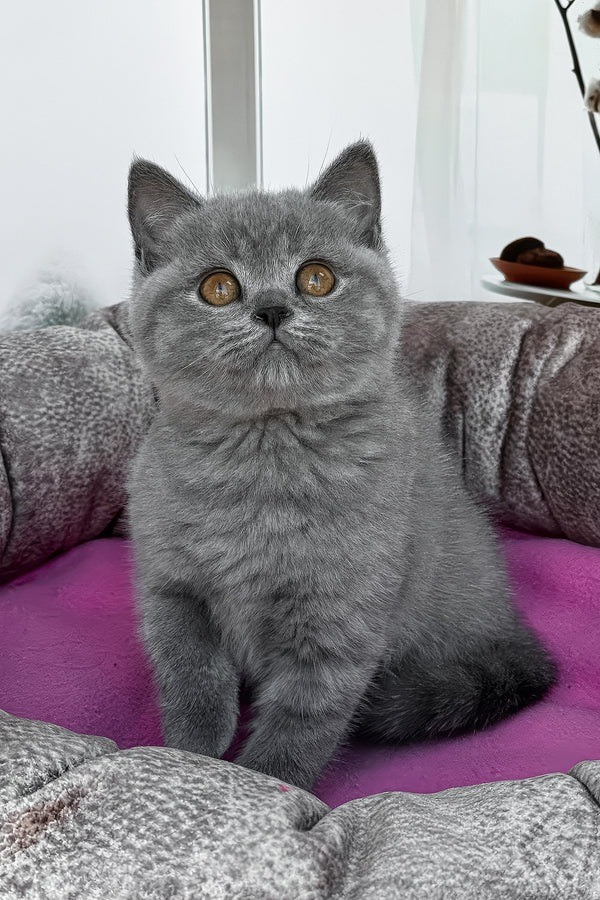
All About British Shorthair Cats & Why They Stand Out
The British Shorthair is a unique breed with its own personality traits, physical structure, and care requirements.
Understanding this breed is essential before ownership, as each breed demands a different level of attention, grooming, and environmental adaptation.
Breed History and Origin
The British Shorthair has a history shaped by selective breeding and natural development.
Breeders focused on enhancing temperament, physical appearance, and adaptability to human environments.
This history influences how the breed behaves today.
Key Characteristics and Personality
Each British Shorthair has a distinct personality ranging from calm and affectionate to highly energetic and intelligent.
Some breeds form strong emotional bonds with humans, while others maintain a more independent nature.
Physical Structure and Appearance
This breed has defining physical traits such as coat type, body size, and facial structure.
Some breeds are muscular and active, while others are compact and calm.
Grooming and Hygiene Requirements
Grooming needs vary significantly depending on coat type.
Long-haired breeds require regular brushing to prevent matting, while short-haired breeds require minimal maintenance.
Proper hygiene also includes ear cleaning, nail trimming, and dental care.
Behaviour, Training, and Social Adaptation
Cats can be trained using positive reinforcement techniques.
Routine, consistency, and environment play a major role in shaping behavior.
Early socialization improves confidence and reduces fear-based reactions.
Play, Activity, and Mental Stimulation
All cats require mental stimulation to prevent boredom.
Interactive toys, climbing structures, and short play sessions help maintain both physical and mental health.
Nutritional Needs
Cats are obligate carnivores and require a protein-rich diet.
Balanced nutrition supports coat health, muscle development, and immune system strength.
Suitability for Families and Living Environments
Different breeds suit different lifestyles.
Some thrive in quiet indoor homes, while others require space and activity.
Understanding this ensures a successful long-term relationship between the cat and owner.
Important Ownership Considerations
Owning a British Shorthair involves long-term responsibility including healthcare, feeding, grooming, and emotional care.
Proper preparation ensures the cat’s well-being and prevents abandonment or rehoming.
Bengal Cat Breed Profile

All About Bengal Cats & Why They Stand Out
The Bengal is a unique breed with its own personality traits, physical structure, and care requirements.
Understanding this breed is essential before ownership, as each breed demands a different level of attention, grooming, and environmental adaptation.
Breed History and Origin
The Bengal has a history shaped by selective breeding and natural development.
Breeders focused on enhancing temperament, physical appearance, and adaptability to human environments.
This history influences how the breed behaves today.
Key Characteristics and Personality
Each Bengal has a distinct personality ranging from calm and affectionate to highly energetic and intelligent.
Some breeds form strong emotional bonds with humans, while others maintain a more independent nature.
Physical Structure and Appearance
This breed has defining physical traits such as coat type, body size, and facial structure.
Some breeds are muscular and active, while others are compact and calm.
Grooming and Hygiene Requirements
Grooming needs vary significantly depending on coat type.
Long-haired breeds require regular brushing to prevent matting, while short-haired breeds require minimal maintenance.
Proper hygiene also includes ear cleaning, nail trimming, and dental care.
Behaviour, Training, and Social Adaptation
Cats can be trained using positive reinforcement techniques.
Routine, consistency, and environment play a major role in shaping behavior.
Early socialization improves confidence and reduces fear-based reactions.
Play, Activity, and Mental Stimulation
All cats require mental stimulation to prevent boredom.
Interactive toys, climbing structures, and short play sessions help maintain both physical and mental health.
Nutritional Needs
Cats are obligate carnivores and require a protein-rich diet.
Balanced nutrition supports coat health, muscle development, and immune system strength.
Suitability for Families and Living Environments
Different breeds suit different lifestyles.
Some thrive in quiet indoor homes, while others require space and activity.
Understanding this ensures a successful long-term relationship between the cat and owner.
Important Ownership Considerations
Owning a Bengal involves long-term responsibility including healthcare, feeding, grooming, and emotional care.
Proper preparation ensures the cat’s well-being and prevents abandonment or rehoming.